
Cost of Living in Tucson: The 2026 Numbers
Tucson's cost advantage is really a housing advantage. Everyday expenses run close to the national average — but the roof over your head costs a fraction of what it does in the places most movers are leaving.
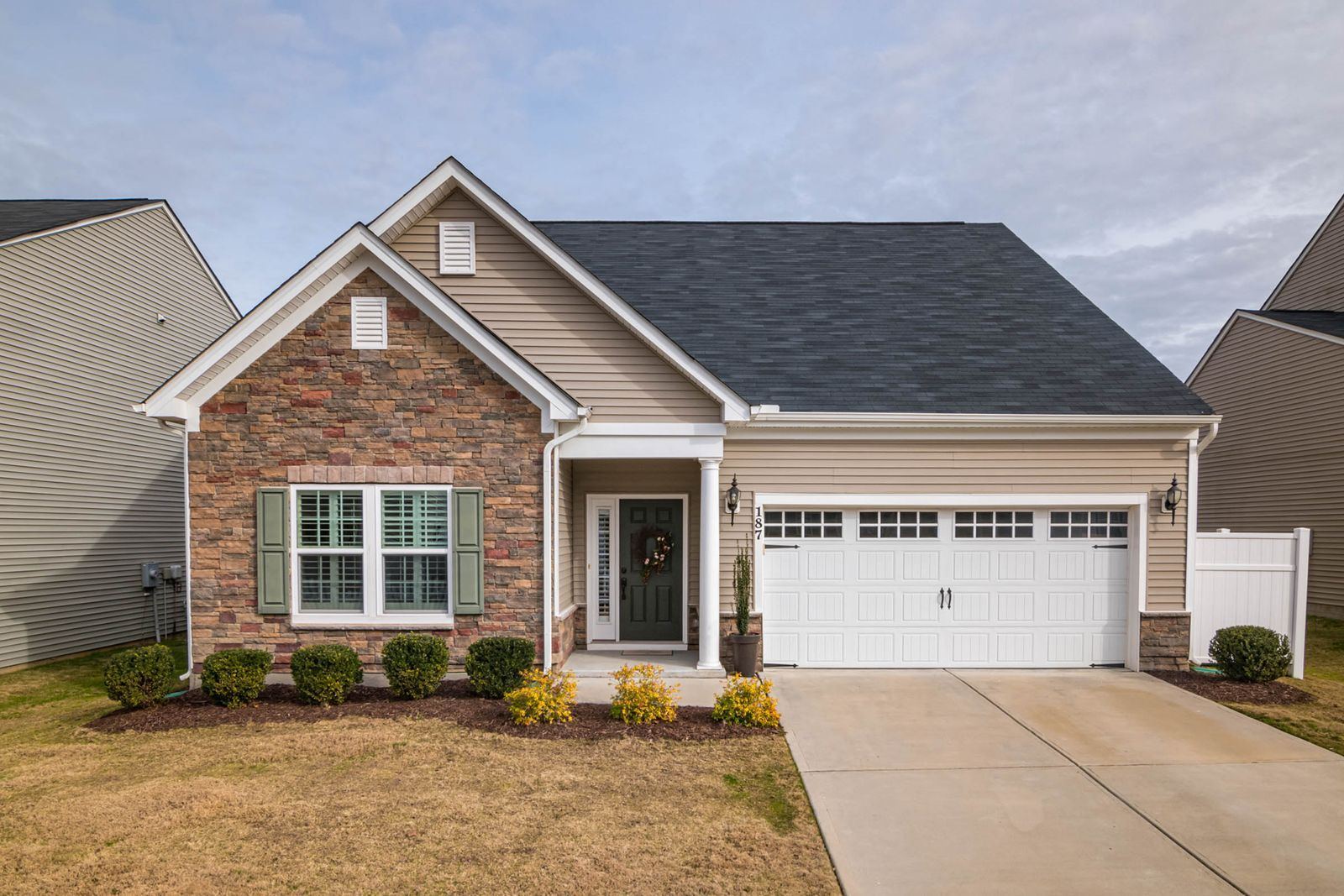
Housing — where the money is
| Item | Tucson | Comparison |
|---|---|---|
| Median sale price | ~$370,000 | Phoenix ~$445K · California metros commonly $800K+ |
| Median rent (city) | ~$1,350/mo | Roughly 30% below the national big-city norm |
| Property tax (effective) | Under 1% of value in most of Pima County | Well below the U.S. average effective rate |
| State income tax | Flat 2.5% | One of the lowest flat rates in the country |
| Combined sales tax | ~8.4% | Applies to goods; groceries are exempt from state tax |
Utilities — the summer line item
Budget utilities in two seasons. Winter bills are gentle — mild days mean minimal heating. Summer is the spike: air conditioning a home through June–September pushes electric bills (Tucson Electric Power) up sharply, and the older the home and the larger the square footage, the sharper it gets. Movers from mild climates should treat the summer electric bill as the trade for the winter heating bill they used to pay. Water (Tucson Water) is modest; desert landscaping keeps it that way.
Everyday costs
Groceries, healthcare, and services track close to national averages. Two local quirks: you'll drive a lot — Tucson is spread out, so fuel and car maintenance are real budget lines — and there's no way around owning a reliable car with working A/C. It's not an expense; it's infrastructure.
The bottom line by mover type
Leaving California: the typical household frees up the equivalent of a second income in housing costs alone, plus drops from a top-bracket state income tax to 2.5%. Retirees: Arizona does not tax Social Security, and the 55+ communities in Green Valley and Oro Valley are priced for fixed incomes. Remote workers: keep the coastal salary, pay Tucson prices — the arbitrage that built the current inflow.