
Moving to Tucson: The Complete Relocation Guide
Tucson is one of the most affordable real cities left in the American West — a metro of about a million people, a median home price around $370,000, and a desert landscape most cities would kill for. It's also a real place with real trade-offs. This guide covers both, honestly.
Why people are moving to Tucson
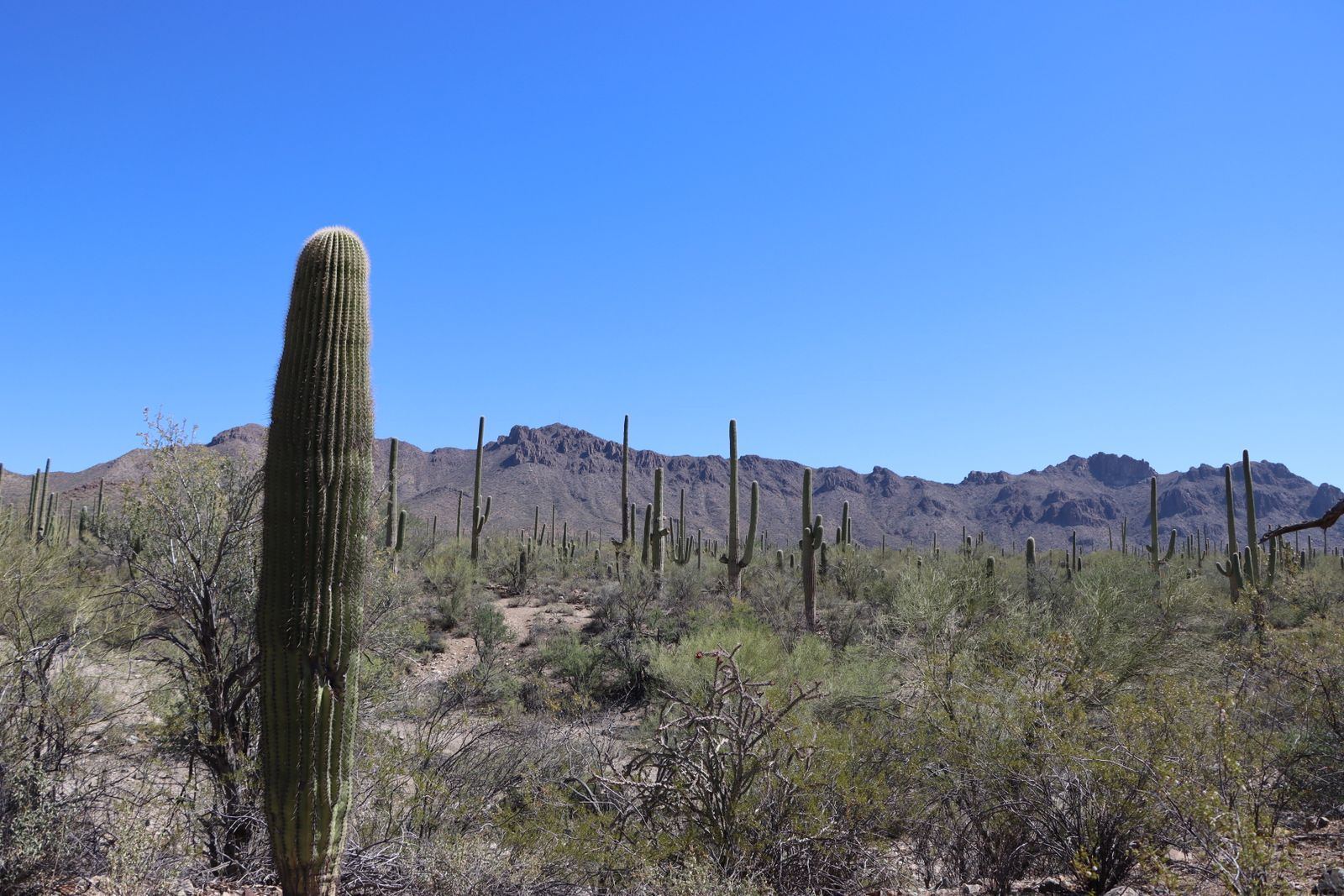
The inflow is documented and steady: buyers arrive from California, the Pacific Northwest, and the Northeast, drawn by home prices roughly half of coastal California's, 350+ days of sunshine, and a food and arts scene that punches far above the city's size — Tucson was the first U.S. city named a UNESCO City of Gastronomy. Add a major research university, a large Air Force base (Davis-Monthan), and employers like Raytheon/RTX, and the move makes sense for remote workers, families, retirees, and second-home buyers alike.
The honest pros and cons
| Pros | Cons |
|---|---|
| Median home ~$360–370K — genuine affordability | Summer heat is serious: June–September regularly tops 100°F |
| Sonoran Desert beauty: Saguaro National Park borders the city on both sides | It's a spread-out, car-first city; public transit is limited |
| Mild, sunny winters — the snowbird season is world-class | Monsoon storms (July–September) bring flash-flood risk on some roads |
| UNESCO gastronomy city; deep Mexican and Native food heritage | Wages run below Phoenix and coastal metros for many fields |
| Laid-back pace, strong community feel, dark skies for stargazing | Property crime rates in some central areas run above national averages — neighborhood choice matters |
What it costs to live here
Housing does the heavy lifting: the metro median sale price sits near $370,000 (September 2026), typical rent around $1,350–1,400/month for the city, and Pima County property taxes are moderate by national standards. Everyday costs run close to the national average; the savings versus California, Seattle, or the Northeast come overwhelmingly from housing. Our full breakdown is in the cost of living guide.
Weather, without the sugar-coating
Winters are the reward: daytime highs in the 60s and 70s from November through March. Summers are the price: expect 100°F+ stretches, mitigated by low humidity, cooler nights, air conditioning everywhere, and Mt. Lemmon — an hour away and 30 degrees cooler — as the local escape hatch. The monsoon season brings dramatic afternoon storms. Most full-timers adapt their schedule (mornings outside, afternoons in) and end up preferring it to shoveling snow.
Where to live
Tucson is really five markets in one: the premium north (Catalina Foothills, Oro Valley, $555K+ medians), the growing northwest (Marana, Dove Mountain, ~$450K), central Tucson (character, value, the university), the east side (family suburbs, Vail, ~$410K), and the south (Sahuarita and retiree-heavy Green Valley, ~$320–360K). Our neighborhood guide walks through each one.
Your first 30 days: the newcomer checklist
Arizona gives new residents a short runway: get your Arizona driver's license and vehicle registration handled early (vehicles need an emissions test in the Tucson metro), set up Tucson Electric Power and Tucson Water service, and register to vote once your license is sorted. Our step-by-step newcomer checklist covers the order and the offices.
Coming from somewhere specific? See our guides to moving to Tucson from California, from Chicago, and from Phoenix — plus the big comparison: Tucson vs Phoenix.