
Sam Hughes: Tucson's Prestige Historic Neighborhood
Sam Hughes is the address central Tucson measures itself against — broad, tree-shaded streets of historic homes a few blocks east of the University of Arizona, with Banner–University Medical Center on its western edge. It is also the most expensive historic neighborhood in the city, with most sales landing roughly between $500,000 and $900,000.
Character and history
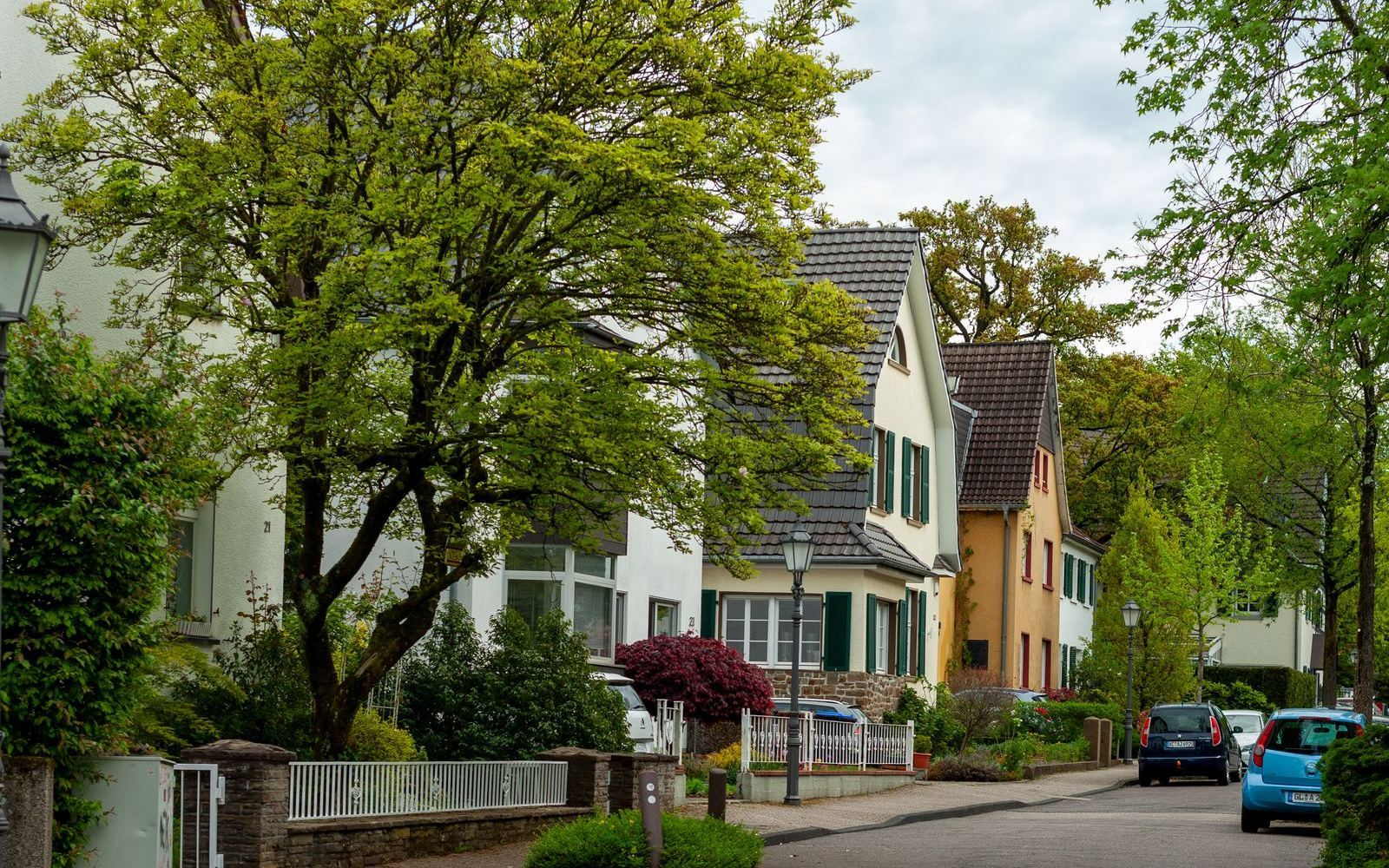
The neighborhood is named for Sam Hughes Elementary School and for Welsh immigrant Sam Hughes himself, a Tucson pioneer whose name is attached to half the map. Development began in the 1920s as one of Tucson's first automobile suburbs, and the housing stock reflects it: Spanish Colonial Revival, Mission Revival, Craftsman bungalows, Tudor cottages, and Pueblo Revival homes, many of them individually listed or contributing structures in a historic district. Mature elm and palm trees, wide setbacks, and detached garages on alleys give it a settled, almost Midwestern-green feel that is rare in the desert — one reason buyers pay a premium for it.
Daily life here is anchored by Himmel Park on the neighborhood's eastern side — library branch, tennis courts, playing fields, and an outdoor pool scene in summer — and by the commercial strips along Speedway and Broadway. It sits inside our Central Tucson territory, alongside the downtown-adjacent historic pockets.
Housing stock and typical prices
Expect 1920s–1940s construction: 3–4 bedroom homes of roughly 1,600–3,000 square feet on lots of about a quarter acre, many with guest houses or converted garages that make strong rentals or offices. Median list prices in recent Realtor.com reporting run around $570,000, and renovated homes with guest houses routinely clear $800,000; true fixers under $450,000 appear but move fast. Price per square foot is among the highest in the metro — you are paying for location, architecture, and scarcity, not new systems. Budget for the realities of older housing: galvanized plumbing, older electrical panels, and evaporative-cooler-to-refrigerated-air conversions are common inspection findings.
Who it suits
University of Arizona faculty and administrators, physicians and medical staff at Banner, attorneys and professionals who want a short commute and an established social fabric, and architecture lovers who would rather restore than buy new. Families who land here tend to stay; turnover is low, which keeps inventory thin.
Schools and commute
Sam Hughes is in Tucson Unified School District. Sam Hughes Elementary, inside the neighborhood, is one of TUSD's most sought-after campuses and a major driver of demand; students continue to Roskruge Bilingual Magnet for middle school options and Tucson High Magnet, about a mile west. See our Tucson schools guide for how the magnet and open-enrollment system works. Commuting is the neighborhood's superpower: the UA campus is a 10-minute bike ride, Banner hospital is effectively next door, and downtown is about 2 miles — under 10 minutes by car, or via Sun Tran bus routes on Speedway and Broadway. Tucson International Airport is roughly 20 minutes south.
Honest trade-offs
You pay central-Tucson prices for older homes that will ask for ongoing investment, and the neighborhood's popularity means bidding competition on the best listings. Student rentals on the western blocks near the UA add noise and parking pressure during the school year, and game days at Arizona Stadium change traffic patterns across midtown. Property taxes follow the higher assessed values here — worth reviewing our property tax explainer before assuming a payment. For many buyers, the trade is worth it: this is the one Tucson neighborhood where a historic home, a real front-porch street, and a bike commute all come in the same package. Compare it with the rest of the metro in the monthly market report and the full relocation guide.
The streets to know
Third Street is the postcard — palms, period revivals, and the neighborhood's most photographed block — while Country Club Road marks the eastern boundary near Himmel Park and the Reid Park corridor. The blocks west of Alvernon and east of Campbell are the sweet spot for most buyers: fully inside the historic fabric but a few streets removed from campus rental pressure. East of Country Club you're into El Encanto and the Reid Park area, a different (and also excellent) market, which locals treat as a separate neighborhood entirely.
Renting here first
Because inventory is thin and prices punish hesitation, many Sam Hughes buyers rent in or near the neighborhood for a year first. Rents for the bungalows and duplexes scattered through the area run high for Tucson — often $1,800–$2,800 for a house — but a rental year teaches you the block-by-block differences that no listing photo conveys: which streets flood with students in September, which stay quiet, and how game-day traffic actually feels. Guest houses and garage apartments behind main houses are the neighborhood's quiet rental stock and are worth asking about through local property managers rather than the big portals. If your timeline is flexible, buy in late spring and summer, when UA-driven competition cools with the academic calendar.
Quick facts
Boundaries: roughly Campbell Avenue to Country Club Road, Speedway to Broadway. Era: 1920s–40s historic homes. Typical prices: ~$500K–$900K. School district: Tucson Unified, with a sought-after in-neighborhood elementary. Best for: UA and hospital professionals, architecture lovers. Watch for: older systems, thin inventory, game-day and student-rental blocks near campus. If Sam Hughes is a stretch, the adjoining midtown bungalow districts east of Country Club and the Jefferson Park area north of the UA offer the same era and bones at gentler prices — a standard Plan B our specialists walk buyers through.