
Tanque Verde: Tucson's Rural-Luxe East Side
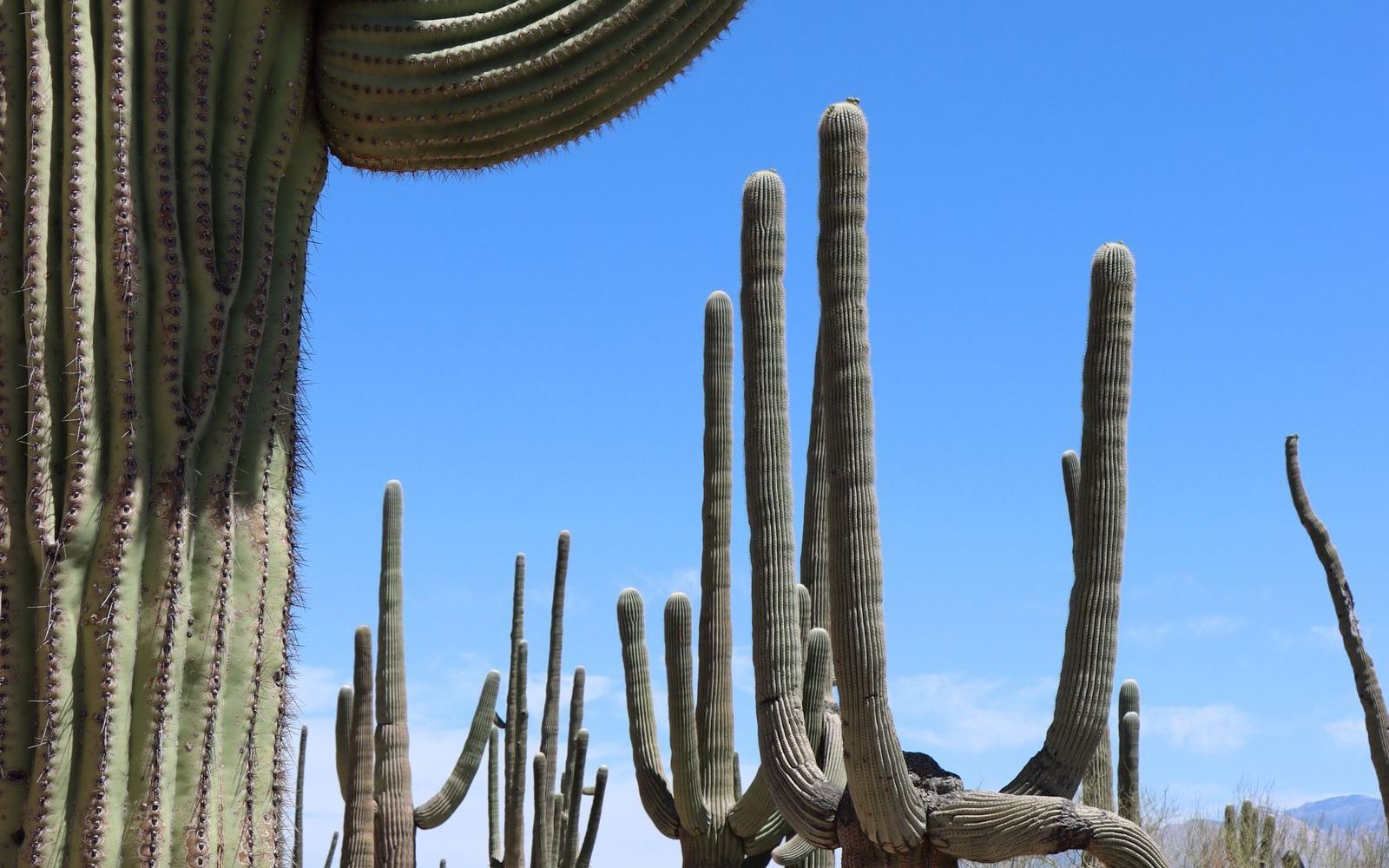
Tanque Verde is where Tucson keeps its horses. Acre-plus lots, dirt roads by design, saguaro forest running to the Rincon Mountains, and custom homes that trade curb appeal for land and views. It is one of the metro's premium addresses — most homes sell between about $600,000 and $1.2 million, with estates well above that.
Character and history
The valley takes its name — "green tank" — from a ranching-era stock pond, and it has fought to stay semi-rural ever since. Zoning keeps most parcels at an acre or more, many streets are unpaved, and there are no streetlights in much of the area: residents like their dark skies and their privacy. The housing mix runs from 1970s ranch homes and Santa Barbara-style customs to full estates with barns, arenas, and guest houses. Sabino Canyon's trailheads are minutes west, Saguaro National Park East is minutes east, and the Tanque Verde Ranch — a working dude ranch operating since 1868 — still anchors the far end of the road. It is the prestige half of our East Tucson territory, a short drive but a world away from the east side's subdivisions.
Housing stock and typical prices
Typical offerings are 3–5 bedroom custom or semi-custom homes of 2,400–4,200 square feet on 1–4 acres, many with pools, mountain-view walls of glass, and horse facilities. Smaller original ranch homes from the 1960s–70s occasionally trade in the $500,000s and are the area's renovation plays; turnkey estates with acreage and views price from $900,000 into the multi-millions. Price per square foot runs high for Tucson because land is a large share of the value. Wells and septic systems are common on older parcels (many homes are on Tucson Water and sewer, but verify parcel by parcel), and private road maintenance agreements show up in disclosures — read them.
Who it suits
Equestrians first — trail access into Saguaro National Park and the Rincons is the headline — plus executives, physicians, and remote workers who want land and quiet without leaving the metro, and retirees trading up to their "last house." Families move here specifically for the school district (below). It suits nobody who needs a five-minute grocery run: the nearest full-service shopping clusters are at Tanque Verde & Sabino Canyon or down at Broadway and Houghton.
Schools and commute
Tanque Verde Unified School District is a small, high-performing district — Tanque Verde Elementary and Emily Gray Junior High feed Tanque Verde High School — and it is one of the strongest public-school draws in Pima County; see our schools guide. The commute is the known cost: downtown and the UA run 30–40 minutes in normal traffic via Tanque Verde Road and Speedway or Grant, and there is no freeway option. Davis-Monthan AFB's east gate is about 20 minutes. Residents accept the drive as the subscription fee for the setting.
Honest trade-offs
Distance is real: restaurants, hospitals, and the airport (35–40 minutes) all require planning, and summer monsoon storms can flood low-water crossings on the dirt roads for a few hours at a time. Wells, septic, and horse keeping carry maintenance costs suburban homes don't, and wildland interface means taking defensible-space and critter control seriously — javelina, coyotes, and the occasional mountain lion are neighbors here. Property taxes on premium values are the metro's highest in raw dollars, though the effective rate is the same Pima County story explained in our property tax guide. For the right buyer, none of this is a deterrent — it's the point. Browse the wider east side in our East Tucson guide or start with the relocation guide.
Horses, trails, and the outdoor brief
Equestrian infrastructure is the valley's defining amenity: many properties include stalls, arenas, or round pens, and informal trail networks connect parcels to the Saguaro National Park East boundary and the Rincon Mountains' Miller Creek and Turkey Creek trailheads. Boarding stables and trainers operate in the valley for owners who keep horses off-property. Non-riders get their own version of the same asset — the Agua Caliente Park oasis (a spring-fed palm grove with a ranch house museum) sits at the valley's east end, Forty-Niner Country Club provides the golf, and the night sky is dark enough for real stargazing, a regulated point of pride. Wildlife is a daily fact rather than a brochure line: deer, javelina, bobcats, and roadrunners cross these lots, and fencing decisions are made accordingly.
Water, wells, and the fine print
Parcel-level diligence matters more here than anywhere in the metro. Older properties may run on private wells (test yield and water quality, and confirm the well's registration with the Arizona Department of Water Resources) or on shared wells with formal agreements; others are on Tucson Water. Septic systems are common — budget for a septic inspection and pumping records at purchase, and note that Pima County requires a septic transfer inspection process on sale in most cases. Some roads are private with maintenance associations; a few are effectively easements across neighbors' land. None of these are deal-breakers — they're simply the local paperwork, and a Tanque Verde-experienced agent and title company will treat them as routine. Buyers who do this homework find the valley's premium entirely rational; it's the cost of keeping Tucson's rural edge intact inside a metro of a million people.
Quick facts
Boundaries: the Tanque Verde valley east of Sabino Canyon Road to Redington Pass, under the Rincon Mountains. Era: 1960s ranch homes through new custom estates, overwhelmingly on acre-plus lots. Typical prices: ~$600K–$1.2M+. School district: Tanque Verde Unified, among Pima County's strongest. Best for: equestrians, executives, privacy-seekers, school-first families. Watch for: 30–40 minute commutes, wells and septic on older parcels, private-road agreements, monsoon wash crossings. The valley also has a meaningful second-home and snowbird presence in winter, when the trailheads and the ranch fill up — something full-time residents factor into their picture of the place.